
【ニュース解説動画】売れ残り服は捨てられない時代へ!EU新規制と循環型経済
以下の記事をもとにした動画です。
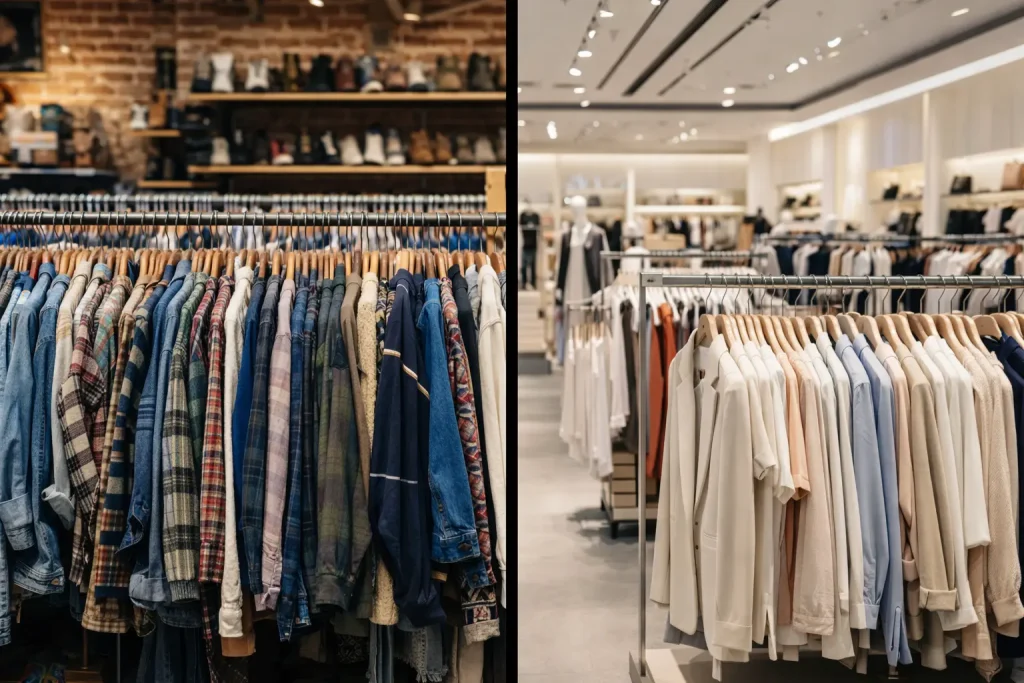
EUが新ルール「売れ残り服の廃棄禁止」:返品の3分の1が処分される現実
オンライン通販では、サイズが合わなかったりイメージと違ったりした服を無料で返品できるサービスが広がっています。便利な仕組みですが、その裏で「一度も着られないまま処分される服」が一定数存在すると報告されています。ヨーロッパ […]

解説動画(日本語)

欧州連合(EU)は、環境負荷を減らし資源を循環させるため、売れ残った衣類や靴の廃棄を禁止する新ルールを導入しました。
背景には、オンライン販売の拡大による大量の返品や、ブランド価値を守るための在庫処分といった課題があります。特にネット通販では、約20%という高い返品率が報告されています。その多くが再販売されずに廃棄されているのが現状です。
一方で、世界では中古ファッション市場が急速に拡大しています。消費者の意識も、新品購入からリユースへと変化しつつあります。
2026年から段階的に施行されるこの規制により、企業は廃棄データの開示や、寄付・リサイクルを優先するビジネスモデルへの転換を求められます。
ファッション業界は今、「大量生産・大量廃棄」から持続可能な循環型経済へと移行する大きな節目を迎えています。
<English> News Explainer video

The European Union (EU) has introduced new rules banning the disposal of unsold clothing and shoes in order to reduce environmental impact and promote resource circulation.
These measures respond to growing challenges such as the surge in online sales, which has led to large volumes of returns, and inventory disposal aimed at protecting brand value. Online retailers report return rates of around 20%, and many of these returned items are discarded rather than resold.
At the same time, the global secondhand fashion market is expanding rapidly. Consumer preferences are gradually shifting from buying new products to reusing existing ones.
The regulations, which will be implemented in stages starting in 2026, will require companies to disclose waste data and prioritize donation and recycling in their business models.
The fashion industry is now facing a turning point, moving away from mass production and mass disposal toward a more sustainable circular economy.
おすすめ記事
【ニュース解説動画】アスクルに何が起きたのか?ランサムウェアが経営を揺るがす理由
2026-01-26

【ニュース解説動画】サンリオピューロランド値上げと入場制限:混雑と収益のバランスを考える
2026-02-16

【ニュース解説動画】Netflixがワーナー買収へ? “配信の王者”が映画スタジオを持つ意味
2026-01-19

【ニュース解説動画】ポケモンGOが街を動かす理由:仙台で74億円生まれた経済効果
2026-02-09